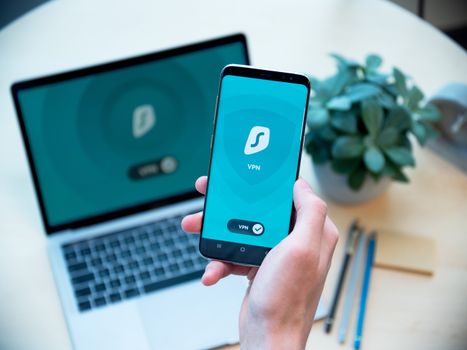
Boosting Your Internet Speed with VPN: Myths, Realities, and Proven Strategies
In our fast-paced digital world, sluggish internet is more than just a nuisance—it can impact productivity, entertainment, and even safety. Many people turn to Virtual Private Networks (VPNs) for privacy and security, but a lesser-known advantage is how the right VPN can actually boost your internet speed. While the phrase "VPN speeds up your internet" may sound counterintuitive, there are circumstances where this claim holds true. Let's dive into the realities, myths, and actionable insights on boosting your internet speed with a VPN.
Understanding the Relationship Between VPNs and Internet Speed
Most people associate VPNs with privacy rather than performance. After all, a VPN routes your online traffic through an encrypted tunnel to a remote server, which can introduce latency and slow down your connection. Indeed, research from AV-TEST in 2023 found that, on average, using a VPN reduces internet speed by 10-25% due to encryption overhead and rerouting.
However, this is only half the story. In specific scenarios, a VPN can bypass intentional throttling, optimize routing, and even improve speed, especially when Internet Service Providers (ISPs) limit bandwidth. For example, a 2022 report by Comparitech noted that 38% of respondents using a VPN experienced faster speeds when streaming video content, especially during peak hours.
So, how does a VPN both slow down and speed up your connection? It all depends on your internet environment, ISP policies, and the quality of your VPN provider. Understanding this dynamic is crucial to making the most of your VPN investment.
How ISPs Throttle Your Connection and How VPNs Can Help
ISP throttling is a deliberate practice where your provider slows down your internet based on specific activities—usually high-bandwidth uses like streaming, gaming, or torrenting. According to a 2021 Consumer Reports survey, 24% of U.S. internet users reported noticeable speed drops during video streaming.
ISPs use Deep Packet Inspection (DPI) to identify the type of traffic flowing through their networks. When they detect video streaming or large downloads, they may throttle that traffic to manage network congestion or promote their own services.
When you use a VPN, your traffic is encrypted and routed through a secure tunnel, making it invisible to your ISP. As a result, they can't distinguish between streaming, browsing, or gaming traffic. This method can effectively bypass throttling and restore your internet speed to its maximum potential.
Real-World Example: - In 2022, a Netflix user in San Francisco found their stream quality consistently dropped during evening hours. After enabling a reputable VPN, their connection stabilized, and streaming returned to HD quality. The VPN masked the traffic, preventing the ISP from throttling based on content.Choosing the Right VPN for Speed: What Really Matters
Not all VPNs are created equal, especially when it comes to speed. Free or poorly managed VPNs can actually worsen your connection. Here are the key factors to consider if your goal is to boost internet speed:
1. $1 The closer the VPN server to your actual location, the lower the latency. Top providers offer thousands of servers across the globe. For instance, ExpressVPN boasts over 3,000 servers in 94 countries. 2. $1 High-traffic servers slow down connections. Many premium VPNs display the current server load, allowing you to pick the optimal one. 3. $1 Modern protocols like WireGuard and Lightway are specifically designed for speed and efficiency, outperforming older protocols like OpenVPN by up to 40% in some tests. 4. $1 Always opt for VPNs with unlimited bandwidth. Free VPNs often cap your usage, which can degrade speed drastically. 5. $1 Reputable VPNs invest in high-speed servers and advanced load-balancing. In 2023, NordVPN upgraded much of its network to 10Gbps servers, reducing latency for heavy users.Comparison Table: Top VPNs for Speed (2024)
| VPN Provider | Average Speed Loss (%) | Server Count | Supported Protocols | Bandwidth Limit |
|---|---|---|---|---|
| ExpressVPN | 12% | 3,000+ | Lightway, OpenVPN, IKEv2 | Unlimited |
| NordVPN | 9% | 5,800+ | WireGuard, OpenVPN, IKEv2 | Unlimited |
| Surfshark | 14% | 3,200+ | WireGuard, OpenVPN, IKEv2 | Unlimited |
| Private Internet Access | 16% | 35,000+ | WireGuard, OpenVPN | Unlimited |
Fact: In a 2023 speed test by Tom’s Guide, NordVPN users experienced just a 9% average drop in speed—almost imperceptible for most users.
When a VPN Can Actually Increase Your Internet Speed
Let’s break down the specific situations where using a VPN can lead to faster internet:
1. $1 If your ISP targets certain activities for bandwidth throttling (like streaming Netflix or playing games), a VPN can provide immediate speed gains by making your activity unrecognizable. 2. $1 Sometimes, ISPs use inefficient routing paths for your data, causing unnecessary delays. A VPN can reroute your data through faster, less congested pathways. For example, users in rural areas connecting to distant game servers sometimes see lower ping times when using a VPN. 3. $1 If a website or service has regional restrictions, connecting through a VPN server in that region can speed up access. For instance, gamers connecting to a server in Europe from Asia may find better speeds through a VPN with optimized European nodes. 4. $1 Some ISPs impose monthly data caps for certain types of traffic. VPN encryption can effectively mask the nature of your traffic, helping you avoid restrictive caps that reduce your speed after a threshold. Case Study: - A 2023 study by BroadbandNow found that 27% of users who switched to a premium VPN while gaming reported lower latency and more stable connections, especially during regional server congestion.Optimizing Your VPN Setup for Maximum Speed
To truly experience a speed boost with your VPN, consider these actionable tips:
1. $1 Always select a VPN server geographically close to your physical location, unless you need a specific region for content access. 2. $1 Experiment with different VPN protocols. WireGuard and Lightway are generally the fastest, offering speeds up to 30% higher than OpenVPN. 3. $1 Most free VPNs are overloaded, underfunded, and impose bandwidth limits, usually resulting in slower speeds. 4. $1 Use split tunneling to only encrypt the traffic you want private, leaving other applications to use your regular connection. This can reduce overall network load and improve speed for critical apps. 5. $1 Use tools like Speedtest.net to monitor your internet speed with and without the VPN. This helps you identify the fastest server and protocol combinations for your needs. 6. $1 VPN providers frequently release updates that improve speed and stability. Always use the latest version of your VPN client.Quick Fact: According to a 2023 survey by CyberNews, 41% of users who regularly optimized their VPN settings reported a noticeable improvement in overall internet speed.
Common Myths About VPNs and Speed
Despite the growing popularity of VPNs, several myths persist regarding their impact on internet speed:
1. $1 While some speed loss is expected due to encryption, the loss is often negligible with premium providers. In throttled environments, a VPN can actually increase your speed. 2. $1 Free VPNs are notorious for slow speeds, overloaded servers, and lack of advanced protocols. Premium services invest heavily in infrastructure for speed and reliability. 3. $1 Performance varies widely between providers. Factors include server infrastructure, protocol support, and network optimization. 4. $1 VPNs can't fix slow base internet speeds caused by poor ISP infrastructure or weak Wi-Fi signals. They only help when bottlenecks are caused by throttling, routing issues, or regional restrictions.Fact: In 2022, PCMag tested 10 leading VPNs and found a variance of up to 20 Mbps between the fastest and slowest providers on the same connection.
Final Thoughts on Boosting Your Internet Speed with VPN
The idea that a VPN can boost your internet speed isn't just marketing hype—it’s a reality for many users suffering from ISP throttling or inefficient data routing. While a VPN adds a layer of encryption that can slightly slow things down, the benefits can far outweigh the costs when used strategically. By choosing a quality provider, optimizing your setup, and understanding your ISP’s policies, you can unlock higher and more stable speeds for streaming, gaming, and everyday browsing.
Remember: Your actual results will depend on your internet environment, chosen VPN, and usage habits. For many, a premium VPN is a worthwhile investment for both speed and security.