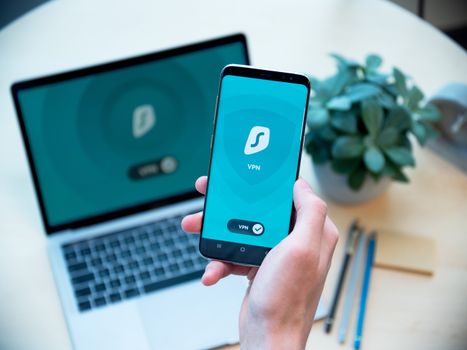
The world of Virtual Private Networks (VPNs) is packed with promise—secure connections, private browsing, and unrestricted access to information. But with so much buzz, confusion abounds. Myths and misconceptions have taken root, often blurring the line between fact and fiction. Whether you’re a casual internet user or a seasoned tech enthusiast, understanding what VPNs can and cannot do is vital for making informed decisions about your online privacy and security.
Let’s demystify the most persistent VPN myths, separate truth from hype, and empower you to navigate the digital landscape with clarity and confidence.
Myth #1: VPNs Make You Completely Anonymous Online
One of the most widespread misconceptions is that using a VPN grants you absolute anonymity online. While VPNs do enhance privacy by masking your IP address and encrypting your internet traffic, they do not make you invisible.
A VPN will typically route your traffic through a secure server, replacing your IP address with one from the VPN provider. This process helps obscure your general location and makes tracking more difficult. However, websites can still identify you through cookies, browser fingerprinting, or your logged-in accounts such as Google or Facebook.
According to a 2023 study by Comparitech, 72% of VPN users believed VPNs rendered them fully anonymous. In reality, while a VPN shields your ISP and prying eyes from your browsing activity, it cannot erase every digital footprint you leave behind.
For true anonymity, users must combine VPNs with additional measures such as privacy-focused browsers, blocking online trackers, and practicing good digital hygiene. It’s important to realize that no single tool can guarantee total anonymity—especially not a VPN alone.
Myth #2: All VPNs Offer the Same Level of Security
It’s easy to assume that all VPNs are created equal, but the truth is far more nuanced. The security and privacy you enjoy with a VPN depends heavily on its infrastructure, policies, and technology.
Key factors that vary across VPN providers include:
- Encryption Strength: Leading VPNs use AES-256, widely considered unbreakable by modern standards, while some free or outdated VPNs may use weaker ciphers. - Logging Policies: Some VPNs keep detailed logs of user activity, potentially exposing your data to third parties or authorities. Others maintain strict “no-logs” policies, enhancing privacy. - Jurisdiction: The country in which a VPN provider is based affects its susceptibility to government surveillance and data requests. - Protocols Supported: Protocols like OpenVPN and WireGuard are considered highly secure, while older protocols like PPTP are vulnerable to attacks.A 2022 review by PCMag found that 19% of free VPNs tested used outdated encryption, and 38% logged user activity in some form. This underscores the importance of scrutinizing a provider’s technical specifications and privacy policy before entrusting them with your data.
Here’s a comparative table illustrating differences between free and premium VPNs:
| Feature | Free VPNs | Premium VPNs |
|---|---|---|
| Encryption Strength | Often weaker (AES-128 or less) | Strong (AES-256 standard) |
| Logging Policy | May log user activity | Typically no-logs |
| Server Locations | Limited | Wide global coverage |
| Speed & Reliability | Slower, less stable | Fast, high uptime |
| Customer Support | Minimal or none | 24/7 support often available |
Myth #3: VPNs Are Only for Tech Experts or Criminals
For years, VPNs were seen as tools reserved for hackers, political dissidents, or those with extensive technical knowledge. Today, this couldn’t be further from the truth. VPN usage has gone mainstream, with over 1.2 billion users worldwide as of early 2024, according to Statista.
Everyday reasons people use VPNs include:
- Securing personal data on public Wi-Fi networks (like airports or cafes) - Bypassing geographic restrictions to access streaming content - Protecting their browsing from advertisers and trackers - Ensuring privacy from ISPs who may sell browsing data to third partiesVPN apps are now designed for ease of use, requiring only a few taps or clicks to connect. Many providers offer intuitive interfaces on smartphones, computers, and even smart TVs. With growing awareness of digital privacy, VPNs have become a staple for families, remote workers, travelers, and anyone concerned with online safety.
Furthermore, the notion that VPNs are primarily used for illegal activity is simply false. A 2021 GlobalWebIndex survey found that 49% of VPN users cited better access to entertainment as their main reason for subscribing, while only 7% mentioned privacy from authorities.
Myth #4: VPNs Drastically Slow Down Your Internet
Another common concern is that VPNs will cripple your connection speed, making streaming, gaming, or video calls impossible. While it’s true that rerouting your traffic through a VPN server can introduce some latency, the impact is often minimal with reputable providers.
Several factors influence VPN speed:
- Server Proximity: The closer the VPN server to your physical location, the faster your connection. - Server Load: Overcrowded servers can slow down speeds. - Encryption Overhead: Stronger encryption may slightly reduce speed, but modern processors handle this efficiently. - Provider Quality: Premium VPNs invest in high-speed server networks to minimize slowdowns.In a 2023 Tom’s Guide test of ten major VPNs, the average download speed reduction was only 15-20% for most premium providers, and some even improved speeds in cases where ISPs were throttling traffic. For most activities, including HD streaming and online gaming, this drop is barely noticeable.
Users can further optimize speed by selecting nearby servers or using protocols like WireGuard, which is up to 58% faster than traditional OpenVPN according to performance tests.
Myth #5: VPNs Protect You from All Online Threats
It’s tempting to view VPNs as a silver bullet for all cybersecurity concerns, but this belief can lead to risky behavior. VPNs are powerful privacy tools, but they do not protect against every type of online threat.
Here’s what a VPN can—and cannot—do:
- VPNs encrypt your internet traffic, protecting it from eavesdroppers on public networks. - VPNs hide your IP address, making it harder to track your browsing. - VPNs do not stop malware, phishing attacks, or scams. You still need antivirus software and vigilance against suspicious links or downloads. - VPNs do not prevent identity theft if you voluntarily provide sensitive information on unsecured sites.A 2022 Norton Cyber Safety Insights Report found that 41% of surveyed VPN users mistakenly believed their VPN protected them from viruses and malware. In reality, using a VPN alongside other security measures—like a reliable antivirus and secure passwords—is essential for comprehensive protection.
The Real Value of VPNs: Informed Use Is Key
VPNs are invaluable tools for boosting privacy, security, and online freedom, but they are not magical solutions. Understanding what VPNs can and cannot do is crucial to leveraging their benefits while mitigating risks.
The most successful VPN users are those who:
- Recognize that VPNs are one part of a broader security strategy - Choose reputable providers with strong policies and technology - Stay vigilant about other online threats (malware, phishing, weak passwords) - Combine VPNs with privacy-oriented browsing habits and toolsBy separating myth from reality, you can make more informed decisions and enjoy a safer, freer internet experience.